MedLife
- Online access to MedLife medical reports
- System optimized for a large volume of data
- Doctors can view all patient tests in real time
Digital assistant for managing medical data.
An intuitive web platform for patients and doctors to store, manage and analyze medical laboratory tests in one place - with interactive charts, hybrid PDF/manual report upload and secure sharing between patient and physician.
Brand concept from the thesis presentation: medical data mapped clearly, so results stop living only in paper folders and scattered PDFs.
In recent years, technology has changed how medical data is stored, managed and analyzed. Public applications for laboratory tests already exist, but they often stay tied to a single laboratory network. BloodMap aims at a broader need: an intuitive platform where both patients and doctors can centralize medical tests, follow trends and collaborate securely.
Medical tests are measurable indicators of biological conditions and are essential for diagnosing and monitoring health problems. BloodMap treats those results as first-class data - uploadable, chartable, shareable - instead of a pile of PDFs.
The topic comes from personal experience managing a complex chronic picture - including hypothyroidism, hyperandrogenism, polycystic ovarian syndrome, hirsutism, insulin resistance and hypercholesterolemia. These conditions need rigorous monitoring, with multiple specific tests every month to track progression and adjust treatment.
The volume of data quickly becomes overwhelming for both patient and physician when there is no centralized system. BloodMap answers that gap with a single place for history, visualization and controlled sharing.
Relevance is also broader: digital health adoption keeps growing (e.g. Rock Health / Stanford Center research with thousands of participants). Tools that make lab results understandable and shareable matter beyond one diagnosis.
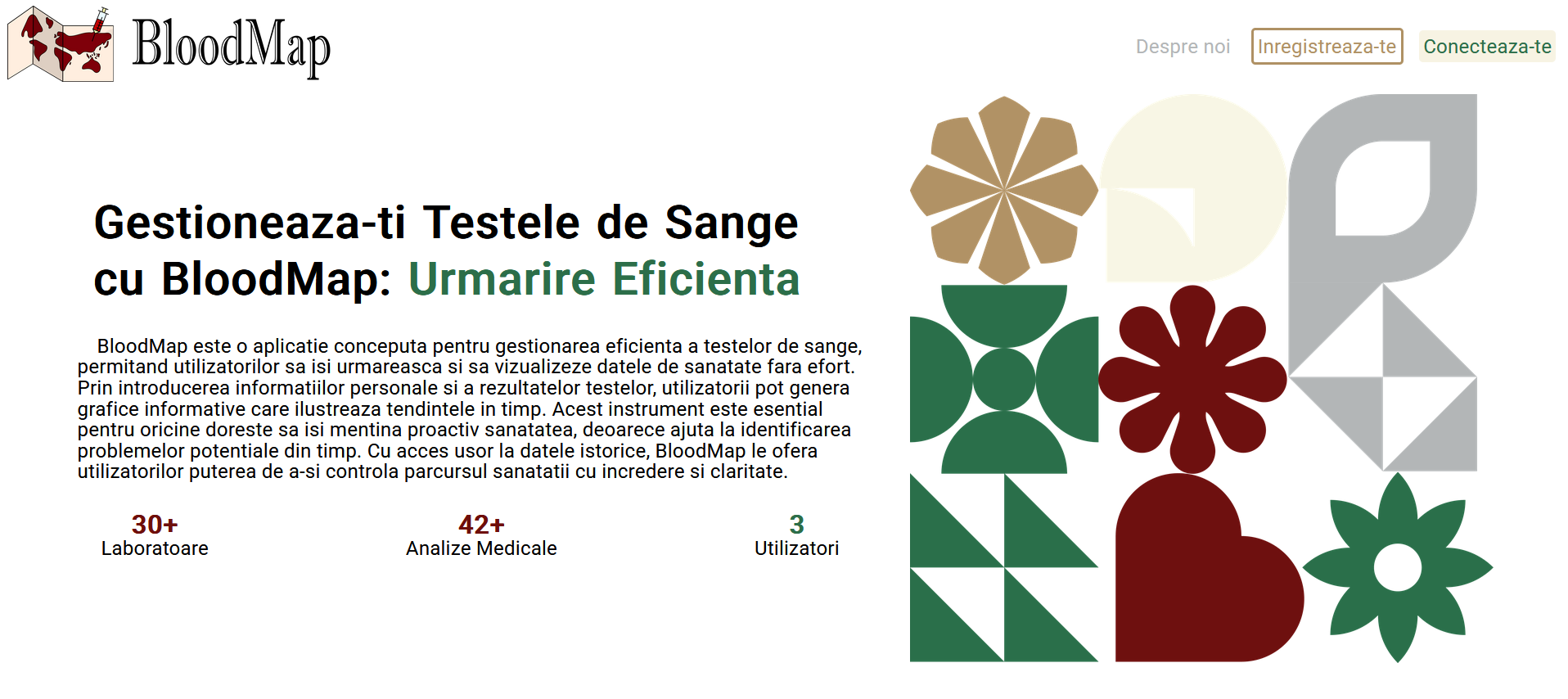
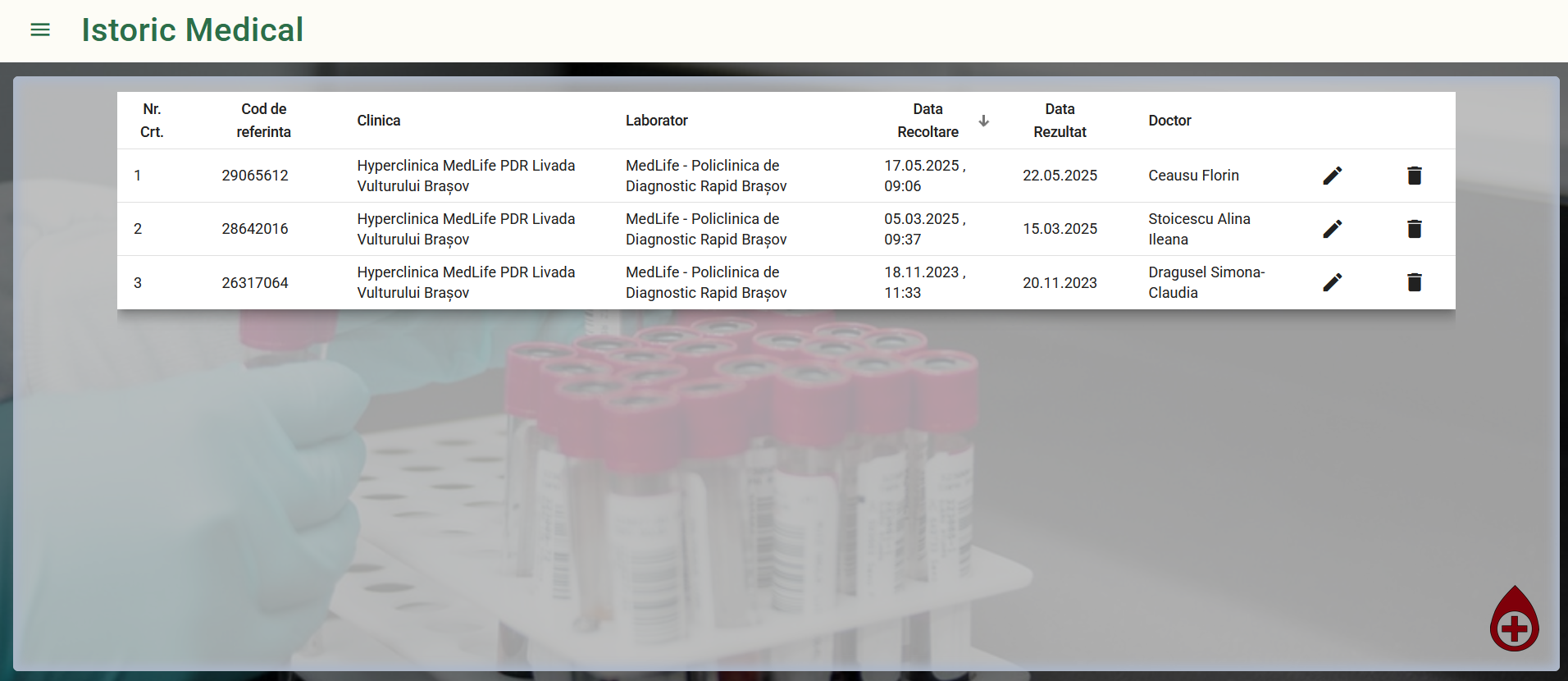
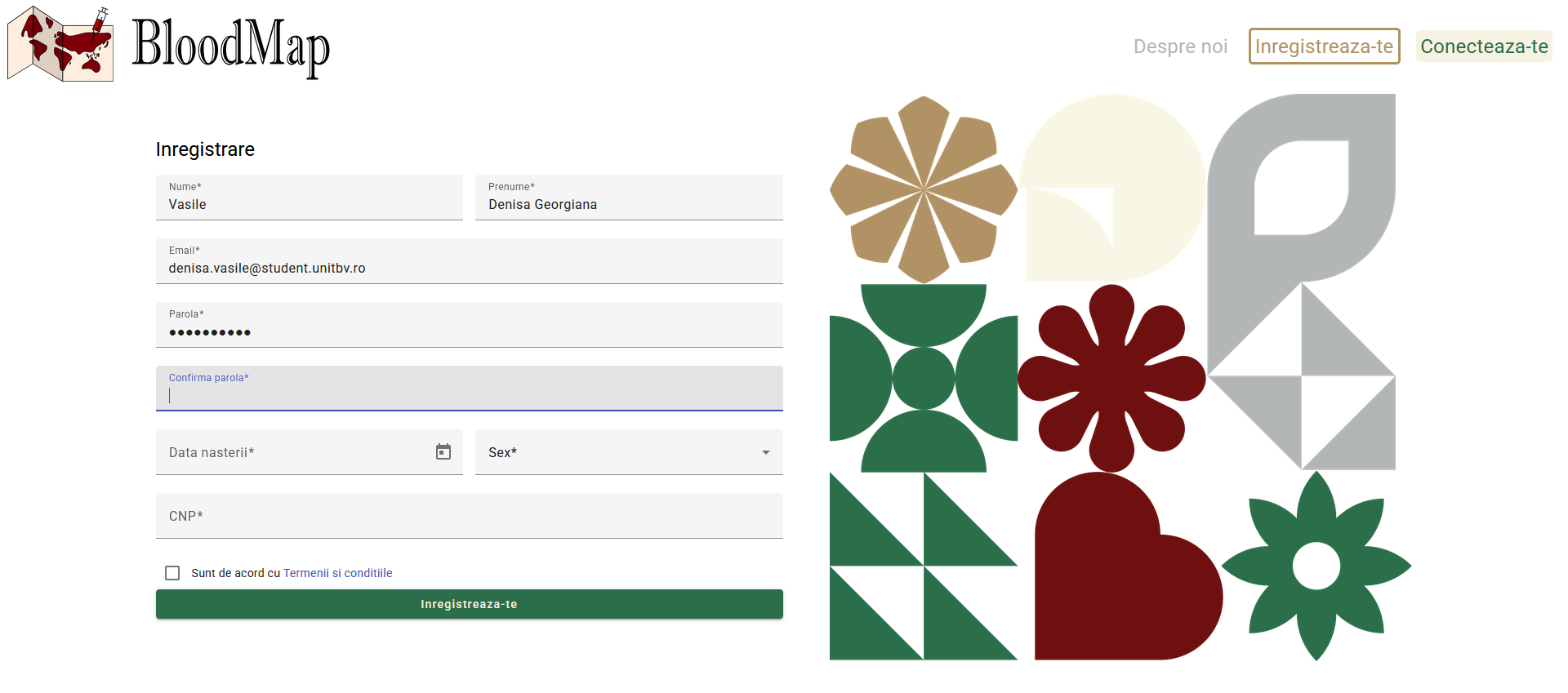
Existing platforms solve pieces of the problem, usually inside one laboratory ecosystem. BloodMap positions itself as a cross-cutting assistant rather than a single-lab portal.
Centralizes medical tests in one platform instead of scattering history across laboratory portals and paper envelopes.
Designed for patients and doctors together, with secure sharing and explicit access rights - not only a patient self-service inbox.
Automatic extraction from PDF reports plus manual entry, so messy real-world lab formats still make it into the timeline.
Interactive visualizations turn monthly panels into trends you can actually discuss in a consultation.
Mechanisms that reduce human error when entering values - important when treatment decisions depend on the numbers.
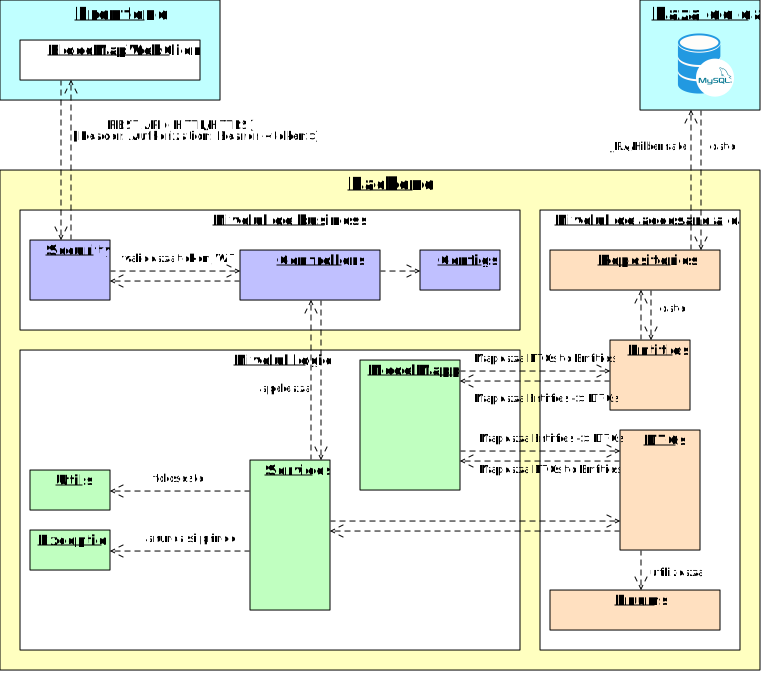
Architecture aimed at scalability, reusability, clear separation of responsibilities and easy extensibility for later modules.
Browse by theme. Capabilities below reflect the thesis objectives and additional achievements.
Centralize laboratory results in one coherent interface instead of juggling separate portals and folders for each provider.
Automatic extraction from PDF medical reports, with manual entry as a fallback when structures differ between laboratories.
Display values interactively so patients and doctors can follow evolution over time, not only single-visit snapshots.
Secure data sharing between patient and physician so consultations start from the same timeline of results.
Clear and secure management of who can see what - essential when medical data leaves a single-user vault.
Checks that reduce human errors during entry and keep the medical history trustworthy for long-term monitoring.
A coherent interface for browsing, uploading and reviewing results without switching mental models between modules.
Designed for scalability and reuse: separate responsibilities so new modules (appointments, treatments, AI assist) can plug in later.
Centralizing data in a unified platform; modular architecture for scalability and clear separation of responsibilities; interactive charts; secure patient-doctor sharing.
Hybrid PDF + manual upload; unified interface; validation to reduce human errors; clear access rights management.
Natural next steps outlined in the thesis defense:
| Type | Bachelor's thesis · full-stack web application |
|---|---|
| Institution | Transilvania University of Brașov · Faculty of Mathematics and Computer Science |
| Study program | Computer Science |
| Domain | Digital health · laboratory / medical test management |
| Users | Patients and doctors (role-based access) |
| Data intake | Hybrid: automatic PDF extraction + manual entry |
| Visualization | Interactive charts for laboratory values over time |
| Collaboration | Secure sharing of medical results between patient and physician |
| Architecture goals | Modular, scalable, reusable, clear separation of responsibilities |